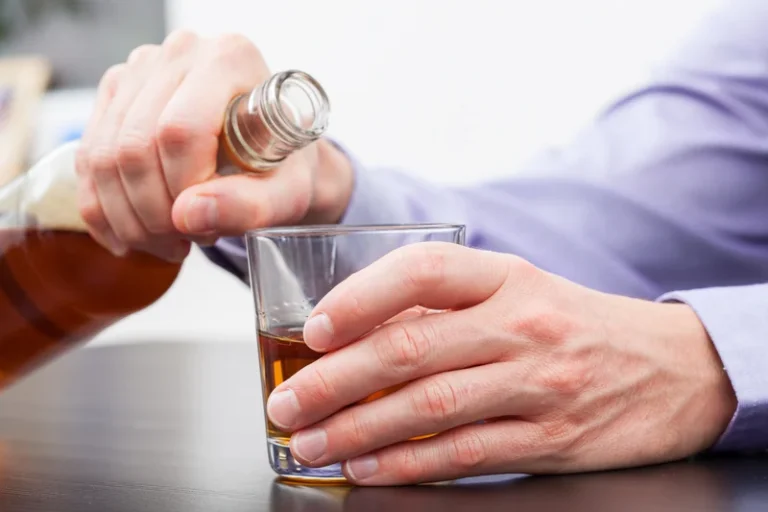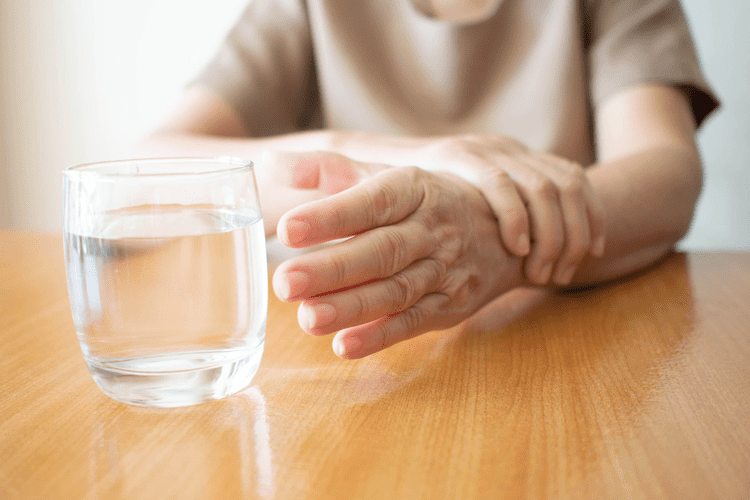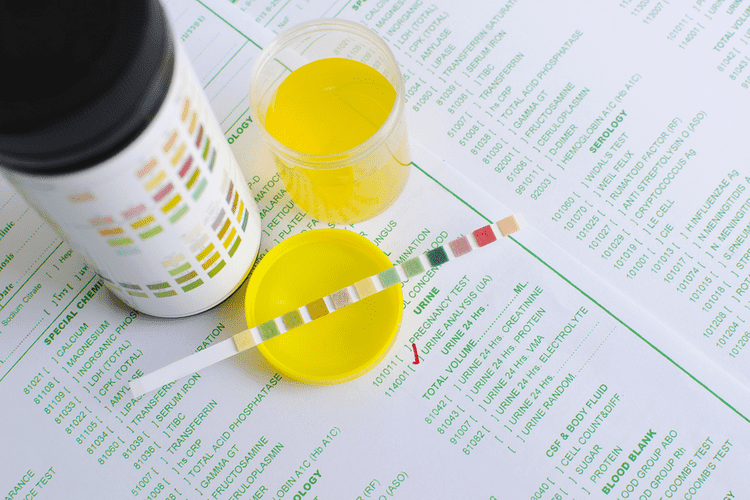
If you have been drinking consistently and notice other symptoms like cravings or urges, you might suffer from a dependence on alcohol. Unfortunately, alcohol withdrawal can cause other dangerous symptoms like seizures, which means you must seek professional medical detox support. Dehydration plays a significant role in the occurrence of hangover shakes. Alcohol is a diuretic, causing increased urine production and fluid loss from the body. This can lead to dehydration, which, in turn, can trigger symptoms such as trembling and shivering.
Top Techniques in Men’s Rehab Programs
Catherine Chase is a professional writer specializing in history and health topics. We offer advice on services and locations who can offer treatment and not specific medical treatment as we are not a remote clinical advice service. Our team can advise you on which of our partner organisations is best suited to your needs and they will provide the appropriate medical help. We do not charge our customers for advice we only receive a commission from a provider if you begin treatment with them at no extra cost to you. Shaking, whatever the cause, is unpleasant, and you will want to know how to get rid of shakes after drinking. Alcohol poisoning occurs when you drink so much alcohol that your liver has major issues keeping up.
Other Contributing Factors
Some people who go through hangover symptoms will experience shakes or tremors, and while scary, they are not always medically dangerous. Excessive drinking for long periods and stopping can cause severe tremors and cause serious concern. When experiencing prolonged hangover shakes or any concerns about potential alcohol withdrawal symptoms, it is recommended to promptly seek advice from a healthcare professional. This proactive approach helps address any potential issues related to alcohol withdrawal syndrome and ensures that the individual receives the necessary support and care. The best way to prevent hangover shakes is to moderate your alcohol consumption or abstain from drinking altogether.
Common Signs of Cocaine Use
Staying hydrated is crucial, as dehydration can exacerbate hangover symptoms, including shakes. Additionally, proper nutrition can aid the body in recovering more swiftly from the impact of alcohol. Incorporating these strategies can greatly assist in the recovery process following episodes of hangover shakes.
- GABA is the brain’s primary “chill-out” chemical, responsible for calming nerve activity and promoting relaxation.
- The duration of hangover shakes can vary from person to person and may be influenced by factors such as the amount of alcohol consumed, individual tolerance, and overall health.
- These nutrients are crucial for nerve function, muscle health, and overall well-being.
- When dealing with hangover shakes, there are several strategies you can employ to alleviate symptoms and support your recovery.
We offer a 45-minute IV hangover remedy that will have you up and running in no time. If those shakes are sticking around too long, don’t hesitate to reach out to a doctor. Taking care of yourself is the best way to avoid those post-party jitters and keep your hands steady. Start your day with a balanced breakfast that includes protein, complex carbohydrates, and healthy fats. Think eggs with whole-grain toast, oatmeal with fruit and nuts, or a smoothie with protein powder and spinach. But how can you tell if what you’re experiencing is just a normal hangover tremor or how to stop hangover shakes something more serious?
- The answer is both psychological and physiological factors can contribute to someone experiencing hangover shakes.
- Consuming alcohol in moderation or abstaining altogether can greatly reduce the likelihood of experiencing unpleasant symptoms such as tremors.
- The tremors are caused by overactivity in brain areas responsible for motor control, such as the cerebellum.
In some cases, hangover shakes can be symptoms of alcohol withdrawal syndrome. Remember, the severity and duration of hangover shakes can vary from person to person. If your symptoms drug addiction persist or worsen, it’s important to seek medical attention. Additionally, individuals with a family history of alcoholism may experience more severe hangovers. It’s important to note that the duration of hangover shakes can vary from person to person. Factors such as alcohol consumption, body composition, and overall health play a role in the intensity and duration of symptoms 5.

- Explore the steps of recovery from addiction, from therapy approaches to support resources for lasting healing.
- Excessive alcohol consumption can result in dehydration, electrolyte imbalances, and withdrawal symptoms, all of which can contribute to the development of hangover shakes.
- Find rehab for yourself or a loved one by speaking with a treatment provider.
- Consider shakes and tremors your body’s way of warning you that you may be suffering from alcohol abuse and alcohol dependence, and it’s time to cut back or quit.
- When alcohol is metabolised, your pancreas has to work extra hard to make more insulin.
- It’s crucial to recognize that shaking after drinking can be a sign of a more significant issue, such as alcohol use disorder.
Chronic alcohol consumption may also increase the risk of https://www.jcbailbonding.com/19-unique-sobriety-anniversary-gifts-in-2025-2/ liver damage, digestive issues, and other long-term health problems. Alcohol is a diuretic, which leads to dehydration, a common cause of thirst and headaches post-drinking. Preventing hangovers is essential for maintaining overall well-being after social drinking occasions. Two primary strategies include moderation in alcohol consumption and ensuring adequate hydration and nutrition. They’re a temporary nuisance that fades as your body recovers from a night of drinking.