Laranjal Cerquilho

MF Peças

7 Ways to Scale Your Small Business and Achieve Long-Term Growth

how to scale a small business

This offering can be a complementary product line or a service that aligns with your core product. This not only provides added value to existing customers but also opens up new markets and revenue opportunities. Also, businesses can use data-driven decision-making technology to help collect and analyze customer data. Lastly, having a robust business infrastructure and operational systems in place is crucial before embarking on a scaling journey.

  • To avoid this, ensure you’re delegating tasks and creating systems that will allow you to focus on value-add tasks.
  • Small business owners sometimes overlook how scaling impacts company culture.
  • Consider if you’re the type of person who is always spending more on new software, marketing tactics, or unnecessary office items.
  • By clicking “See Rippling,” you agree to the use of your data in accordance with Rippling’s Privacy Notice, including for marketing purposes.
  • Successful scaling, on the other hand, refers to an increase in revenue without a significant increase in costs.
  • Understanding the various sales funnel steps is critical to scaling your business.

Your ability to delegate tasks

how to scale a small business

The more effectively you can optimize your workflow, the more successful companies are in the big picture. To help answer this question, 14 members of Forbes Business Council offer some strategies for scaling effectively during a “growth spurt” in your business. Follow their tips if you want to scale up sustainably as you experience rapid growth for the first time. TG is an all around CRM that https://lindaargila.com/cost-allocations-and-preparing-a-statement-of/ does almost everything very well and with an intuitive approach. When we’ve had questions or identified anything working out of the ordinary, they have been lightning fast to respond and deploy fixes.

Develop Management Skills

  • As your team grows, use integrated communication tools like Slack alongside project management platforms such as Asana or ClickUp.
  • As you expand your reach and target new markets, it is essential to develop a strong brand identity and value proposition that resonates with your target audience.
  • This could result in higher employee overhead costs with a shrinking cash flow.
  • You can also leverage business process improvement consulting for additional help.
  • While “scaling” and “growing” are related concepts—and often used interchangeably—they’re two different ideas.
  • Go beyond basic budgeting and forecasting and invest in the tools you need to consider multiple scenarios and develop backup plans.

Streamlining workforce management tasks like scheduling and payroll frees your HR team to focus on strategic decisions to drive growth. For example, a recruiter who can rely on an AI-driven recruiting tool to manage job requisitions or schedule interviews has more time to devote to finding the right hires to move your business forward. Streamlining your customer experience not only helps you build a full pipeline of sales; it encourages repeat business that boosts bottom-line growth. Only if you have the workforce and the processes to close and deliver quickly.

how to scale a small business

How to Scale a Business in 2025: A Step-by-Step Growth Blueprint

Scaling a business refers to when you equip your business to handle more demand without incurring more expenses. This means that you’re bringing in new business and more money while putting forth the same effort. The right scaling strategy is about adjusting your business model in response to growth.

how to scale a small business

Conclusion: Your Next Step Toward Scaling Your Business in 2025

  • To identify these gaps in the market for your business to fill, pay attention to what your current customers wish you included and do a deep dive into what your competitors offer.
  • As the founder or leader, delegate effectively and prioritize your well-being.
  • To open a new location for your business, start by conducting thorough market research to identify a suitable location with high potential demand for your products or services.
  • Partnerships can also be a beneficial strategy for scaling a business, but they’re not always necessary.
  • Look at the vendor’s track record, financial stability, and their capacity to scale alongside your business.
  • The software that fits your business when you’re a solo entrepreneur or a small team of three might not meet your needs once you begin taking on new hires or generating more leads.

Automation and optimized workflows can help handle increased demand without an equivalent increase in resources. If you’re going to scale your business, then you need to have a strong team in place. This team will need to be able to handle the increased workload that comes with a more extensive operation. One way to produce less labor within your workforce is to automate and standardize as many processes as possible. Any day-to-day strategies or workflows that take up too much time should be streamlined before you take the next step in scaling How to Invoice as a Freelancer a business.

how to scale a small business

For example, if you give your employees outdated computers that are constantly crashing, this is a good area to spend. Sales scaling, on the other hand, focuses more on automating tasks and workflow automation to make sure that there’s a system behind all activities. Whether you’re onboarding new team how to scale a small business members or you need to improve the customer experience, make sure that there is an order to how things get accomplished. So, businesses looking to bring themselves to the next level in this coming year have a few different strategies they can use to achieve long-term growth.


Is Accounting Hard? Here’s The real Truth About Accounting

is bookkeeping hard

Developing a meticulous approach to data entry and verification is beneficial. An individual’s prior exposure to numbers or business operations can significantly influence how quickly they grasp bookkeeping concepts. Those with a background in mathematics, economics, or general business principles may find the logical structure of accounting more intuitive. Familiarity with basic financial terms and calculations provides a helpful foundation. Conversely, someone new to these areas might require more time to acclimate to the terminology and processes.

  • The only real prerequisites for bookkeeping are being skilled at math and being very detail-oriented.
  • If you can study and work hard, you should be able to succeed in accounting.
  • Revisions to accounting topics like lease accounting and revenue recognition standards frequently occur, impacting financial reporting.
  • An accounting student can be competitive and make daily choices that influence their professional and personal lives by having a solid knowledge of and proficiency in mathematics.
  • You also need to be up to date with the current rules and regulations as well as financial laws to avoid any problems down the track.
  • I’d like to know where accounting falls on the college (And Workplace) difficulty spectrum.

What was the job search like after graduating with your degrees?

Additionally, most accounting students agreed that comprehending how debit and credit function in a ledger is essential to mastering accounting. There are many stages of accounting degrees, ranging from a six-month certificate to a Ph.D. There are instances when accounting isn’t simple; these times call for digging through statistics, placing pieces of a puzzle together, and locating less transparent financial information. Overall, the objective of the accounting course is to learn how to become an accounting professional. But you can worry about that after completing your undergraduate accounting degree. When planning on majoring in accounting, see which schools offer the best program.

is bookkeeping hard

The CPA Exam is Really Hard

is bookkeeping hard

Certified public bookkeepers have mastered accounting concepts like depreciation, payroll, and adjustment entries. Bookkeepers can focus on specific fields or industries to learn niche knowledge. Professionals with a unique industry understanding may have additional advancement opportunities.

  • Because I get it, starting your own hustle can be extremely overwhelming and you need someone who guides you through it.
  • Imagine that you’re a brand new doctor and suddenly you have to do a surgery.
  • This will come in handy when working with a team or talking to different people.
  • Every time you start with something new, the tasks and skills you need to master can seem daunting.
  • Keep in mind that if you’re the bookkeeper, you’re the one who has a lot of control over what that financial data and those reports look like.
  • However, with determination, continuous learning, and support, the challenges can be overcome, leading to a rewarding and fulfilling career.

Factors Affecting Bookkeeping Complexity

is bookkeeping hard

More than 200 standards for accounting have https://theamericancentury.nl/bookkeeping/understanding-opening-balance-equity-a-guide-for/ been released by the International Accounting Standards Board (IASB). You must demonstrate your aptitude for math as well as your prowess in writing and communicating to land a position as an accountant. For your employment, you’ll need to produce reports and explain things to others.

Best Accounting Schools and Careers

For those who find international dimensions intriguing, international financial reporting standards (IFRS) and international accounting also make their way into most accounting degree programs. These are essential skills for crafting financial solutions and conducting cost-benefit analysis based on financial performance metrics. Accounting is often seen as the language of business, and for good reason.

  • Nonetheless, success in your job and academic pursuits is within your reach if you put in the effort necessary and absorb as much relevant information as possible.
  • Though an online Accounting program may be challenging, these simple procedures can help you be just as successful as those in any other online course.
  • With certifications such as CPA (Certified Public Accountant) under your belt you might even run your own firm one day!
  • Public accountants often experience busy periods from February to March due to quarterly reporting requirements for publicly traded companies.
  • If there are other tasks involved with your specific job, then you need to fit in time to complete those, too.

Semester Based Courses

is bookkeeping hard

Bookkeepers working in this sector should understand relevant regulations and lease agreements. Individuals who specialize in is bookkeeping hard this field can pursue entry-level bookkeeper and certified bookkeeper roles. However, suppose you are just looking to make a basic income from your job and don’t care about certification or becoming a financial analyst. The sheer volume of data that needs to be collected and organized can be overwhelming, especially regarding complex financial statements.

Sales Returns and Allowances Account Type

contra revenue account examples

Revenue is shown on the income statement as a credit, it is the amount of revenue a business earns in a period. It might be important for a business to track the full cost of sales contra revenue account examples less contras to see the full picture. The allowance for doubtful accounts is used to reduce the net income by the estimated amount of uncollected receivables. This account helps to give a more accurate picture of the company’s financial position. Proper revenue recognition ensures that financial statements accurately reflect the economic reality of the business, providing stakeholders with reliable information.

contra revenue account examples

Financial Ratios: Your Guide to Better Business Decision Making

Chartered accountant Michael Brown is the founder and CEO of Double Entry Bookkeeping. He has worked as an accountant and consultant for more than 25 years and has built financial models for all types of industries. He has been the CFO or controller of both small and medium sized companies and has run small businesses of his own.

contra revenue account examples

Benefits of Using Contra Revenue Accounts

contra revenue account examples

Contra revenue accounts play a vital role in accurate financial reporting by providing transparency about the various deductions from a company’s gross revenue. Whether tracking returns, discounts, or rebates, contra revenue accounts help ensure that financial statements fairly represent a company’s actual performance in the marketplace. It has a debit balance, which is the opposite of a typical revenue account’s credit balance.

  • While revenue accounts represent the money coming in, contra revenue accounts offer a crucial counterpoint.
  • Enrich your expertise by diving into online courses that dissect advanced accounting concepts, many of which come with coveted CPE credits to boot.
  • These accounts actively reduce your gross sales figures, providing a more realistic picture of the revenue actually earned and kept by your business.
  • Management’s keen oversight, particularly when dealing with concepts like sales allowances, is vital for accurate financial statements.
  • Like other ratios, ROS is sensitive to changes in reported sales figures due to contra revenue activities.

How to Calculate the Present Value of Free Cash Flow

While strategic sales discounts are a clear example of how contra revenue accounts impact your top line, another less obvious but equally significant deduction often silently chips away at your hard-earned sales. Adhering to Generally Accepted Accounting Principles (GAAP) is vital for accurate financial reporting, especially concerning discounted sales. GAAP mandates that revenue should only be recognized for the amount expected to be collected. This means that if a business expects customers to take advantage of sales discounts, it must estimate the amount of these discounts and record revenue net of those estimated discounts at the time of the sale. This calculation reveals the actual revenue a company generates from its core operations after accounting for price adjustments and incentives. A higher volume of sales discounts taken by customers will lead to a lower reported net sales figure, directly impacting the perceived financial health and profitability of the business.

  • These accounts can tighten the gross margin ratio by reducing total revenues while costs remain unchanged.
  • You don’t want to make policy changes based purely on intuition or sporadic feedback.
  • For example, when a customer’s cheque bounces, a contra account steps in to reconcile the situation financially.
  • Contra revenue accounts are specific ledger accounts that carry a credit balance, which stands in opposition to the typical debit balance of revenue accounts.
  • Analyzing these accounts provides stakeholders with a clearer view of the business’s actual financial performance and helps understand factors impacting profitability.
  • If your allowances or discounts are out of step with industry norms, you might be either giving away too much or not enough to attract customers.
  • For example, a company might have a contra asset account for depreciation expense and a separate asset account for equipment cost.

contra revenue account examples

A contra revenue account is an account used in accounting to reduce the gross revenue recorded by a company. Essentially, it represents deductions from a company’s total sales to arrive at its net revenue. Unlike regular expense accounts, which reduce net income, contra revenue Accounting Periods and Methods accounts directly reduce revenue.

In your financial statements, contra revenue accounts appear as deductions from gross sales to arrive at net sales. If your business makes $100,000 in gross sales, say, and has $5,000 in total contra revenues from returns, allowances, and discounts, your net sales would be reported as $95,000. Contra revenue is a type of account in financial accounting that offsets the balance of a corresponding revenue account. Contra revenue accounts have a debit balance, which is the opposite of the typical credit balance found in revenue accounts. The purpose of a contra revenue account is to reduce the total revenue shown on the income statement by reflecting specific adjustments, allowances, or returns related to the revenue.

Contra assets

  • There can be hidden value in stocks that have a lot of fully depreciated buildings.
  • Contra revenue ensures that financial statements accurately reflect the net sales a company truly earns.
  • A contra-revenue account is like the rebellious teenager in your family of revenue accounts.
  • It plays a vital role in maintaining the accuracy and transparency of a company’s financial statements.
  • This article will give you the definition of contra in accounting, talk about different contra accounts, and give examples.
  • These deductions directly reflect the amount customers did not pay, making examples of contra revenue accounts crucial for accurate financial representation.

Here, we explore five examples of contra revenue accounts, Bookkeeping vs. Accounting including scenarios where their magnitude or unusual behavior raised eyebrows among financial professionals. Recording contra revenue accurately in your accounting books is crucial for maintaining reliable financial records. Let’s break down how to do this step-by-step, look at some examples of journal entries, and discuss the best practices for documentation. Consider how automated revenue recognition solutions can streamline your accounting processes and provide real-time insights into your revenue streams. With the right tools and understanding, you can turn financial data into a strategic asset for your business. If the customer returns the dress, the retailer records a $100 sales return, offsetting the initial $100 in gross revenue.

A higher volume of card sales or higher average ticket sizes amplify these deductions, making a small percentage fee translate into substantial amounts that erode the bottom line. For businesses with tight margins, every percentage point of processing fees can be the difference between profit and loss. While managing sales returns and allowances is crucial for an accurate portrayal of your revenue, another powerful tool often used to influence customer behavior and cash flow is the sales discount. In its general ledger, the business will want to capture its gross sales figures and the actual value of the discount. Contra asset accounts are presented on the balance sheet as reductions from the asset accounts they relate to.

Additionally, high volumes of returns or discounts can lower the return on sales ratio, indicating potential issues with product quality or pricing strategies. Contra revenue refers to deductions from your business’s gross sales, including sales returns, allowances, and discounts. Unlike regular expenses such as rent or salaries, which are the costs of operating your business, contra revenue is directly subtracted from sales revenue on your financial statements.

What Is a Credit Memo and How Does It Work in Accounting?

credit memo meaning

Upon receipt of the credit memo, the retailer would debit its accounts payable account to wipe out its liability to the vendor. This way the seller clears its receivable and the buyer clears its payable. This process involves credit memo meaning equaling the balance on a company’s general ledger account and bank statements. Since both records have different sources, the closing balances usually do not match.

credit memo meaning

Impact of Credit Memos on Customers and Banks

  • In this article, we will delve deeper into the definition, purpose, format, and significance of credit memos in the banking industry.
  • First, Andy can raise a new Invoice by canceling the previous invoice by raising a Credit Note.
  • In this piece, we’ll provide an overview of credit memos in Canada to help you better understand what you have received if you got one.
  • A credit memo is also known as a credit memorandum or a credit note.
  • As technology improves, more and more businesses are using electronic credit memos to send information quickly and safely over long distances.
  • While both situations affect the seller’s accounts receivable, they do not require a direct cash return to the buyer.

If they had already paid the full invoice, the $200 credit would remain on their account for a future purchase. On the other hand, a credit memo is a document issued by a seller reducing the amount owed by a client under a previously issued invoice. Typically, the credit memo will provide the buyer or client information as to the reason why the credit memo has been issued and to which invoice it relates to.

How to Track Credit Memos?

credit memo meaning

A credit memo is a document the accounting department sends to a customer or vendor to inform them that the amount due on an invoice or other account balance has changed. By giving this document instead of a direct refund, both parties can keep accurate records and ensure there are no future problems. A credit memo can be a simple communication between two entities while still providing all necessary data regarding financial exchanges between them.

Stop Asking “What is A Credit Memo?” Unlock the Benefits of Credit Memos with Gift CPAs

credit memo meaning

These documents serve distinct purposes, each addressing different situations that affect the amount owed. Similarly, credit memos are also a crucial part of unearned revenue the bank reconciliation process. For those invoices, the credit note reduces the partial amount on the invoice.

credit memo meaning

No Strings Attached Meaning In Business (All You Need To Know)

  • While not all Canadian retailers use these, a good majority of them do.
  • In this guide, we’ll explain what a credit memo is, explore its benefits, review its format, and walk you through how to create one.
  • Accountants use them to match bank statements with a company’s internal financial records.
  • The terms credit memo, credit memorandum and credit note have the exact same meaning and are used interchangeably.
  • Properly managing credit memos offers significant advantages for businesses.
  • This might be because they returned something, there was a mistake in billing, or another reason they shouldn’t pay the full amount.

Recording credit memos correctly is critical for keeping financial records accurate and ensuring smooth audits. When handled well, they not only reduce disputes but also highlight trends that SMEs can address, such as frequent product returns or recurring pricing errors. By including this information in their records, organizations can easily monitor changes in their finances https://mudita.sa/2023/09/29/navigating-international-accounting-standards-ifrs/ over time. By sending a credit memo before an invoice is paid, the seller can reduce the amount owed while ensuring they will get paid in the time they want. Credit memos can also help sellers avoid bad debt if customers can’t pay for goods or services. Lastly, well-documented credit memos can be important evidence in a buyer and seller dispute.

  • The credit memo cancels out previous bills and lowers the amount of money the customer owes the supplier for goods or services.
  • Banks issue credit memos when they increase an individual’s or business’s checking account balance due to a specific transaction.
  • Instead, it’s held and can be added to a future invoice when appropriate.
  • A common reason is when a customer returns goods they purchased, perhaps due to defects, incorrect items, or simply changing their mind.
  • This memo is issued by a seller to a buyer to request additional payment or to notify the buyer of an increase in the amount owed.
  • A credit memo (or credit memorandum) is a document issued by a seller to a buyer to formally acknowledge a reduction in the amount the buyer owes, or to provide a credit for future purchases.
  • ’When you issue a credit memo, you’re basically saying a sale you thought happened, didn’t, at least not fully.

credit memo meaning

A check for $0.00 is typically sent to validate a bank account’s information. Third parties, such as mortgage lenders, will send a statement of $0.00 (or a minimal amount of just a few cents) as a check or via direct deposit as part of their validation process. It’s important to track these changes carefully for transparent transactions and resolution tracking.

How to Use the Double Declining Balance Method

double-declining-balance depreciation formula

Imagine being able to maximize your tax deductions and improve your cash flow in the initial years of an asset’s life. Double declining balance depreciation is an accelerated depreciation method that charges twice the rate of straight-line deprecation on the asset’s carrying value at the start of each accounting period. The Double Declining Balance rate is precisely twice the straight-line rate. Using the previous example, a 20% straight-line rate results in a 40% Double Declining Balance rate (20% x 2). This accelerated rate is applied to the asset’s book value at the beginning of each accounting period.

Step 2 – Declining balance rate (accelerated depreciation rate):

For the past 52 years, Harold Averkamp (CPA, MBA) has worked as an accounting supervisor, manager, consultant, university instructor, and innovator in teaching double-declining-balance depreciation formula accounting online. For the second year of depreciation, you’ll be plugging a book value of $18,000 into the formula, rather than one of $30,000. Don’t worry—these formulas are a lot easier to understand with a step-by-step example. Get free guides, articles, tools and calculators to help you navigate the financial side of your business with ease. You can connect with a licensed CPA or EA who can file your business tax returns.

Amortization Example: How to Calculate Amortization

double-declining-balance depreciation formula

In addition, capital expenditures (Capex) consist of not only the new purchase of equipment but also the maintenance of the equipment.

  • First, determine the straight-line rate (1 divided by useful life; e.g., 1/5 for five years yields 20%).
  • Depreciation matches an asset’s expense against the revenue generated from using the asset, thereby adhering to the matching principle.
  • Choose CFI for unparalleled industry expertise and hands-on learning that prepares you for real-world success.
  • The choice of method depends on the asset’s economic benefits and its pattern of value decline over time.
  • Double Declining Balance Depreciation is a way to calculate how much value an asset loses over time.

How Data Management Strategies Are Shaping the Future of Business

The choice between these methods depends on the nature of the asset and the company’s financial strategies. DDB is preferable for assets that lose their value quickly, while the straight-line method is more suited for assets with a steady rate of depreciation. Next, divide the annual depreciation expense (from Step 1) by the purchase cost of the asset to find the straight line depreciation rate. First-year depreciation expense is calculated by multiplying the asset’s full cost by the annual rate of depreciation and time factor. Depreciation must cease once the asset’s book value reaches its predetermined salvage value. In the final years, an adjustment may be necessary to ensure the book value reaches precisely the salvage value.

double-declining-balance depreciation formula

Salvage value also influences decisions on asset management and replacement. A higher salvage value might encourage refurbishing or resale, while industry trends and technological advancements can affect end-of-life worth. Businesses must consider these factors when http://www.manyhandsonedream.ca/what-is-the-accumulated-depreciation-definition/ estimating salvage values to maximize asset utility. This pattern continues until the book value approaches the salvage value, ensuring depreciation never exceeds the asset’s worth. The total expense over the life of the asset will be the same under both approaches.

  • Here is a summary of the depreciation expense over time for each of the 4 types of expense.
  • Under GAAP, depreciation must be systematically allocated over an asset’s useful life to match expenses with revenues.
  • Calculating the annual depreciation expense under DDB involves a few steps.
  • Here is a graph showing the book value of an asset over time with each different method.
  • Download the free Excel double declining balance template to play with the numbers and calculate double declining balance depreciation expense on your own!
  • However, tax laws may vary, so it’s essential to consult with a tax professional to ensure appropriate application of this method.
  • Another advanced consideration when utilizing the double declining balance method is the time-value of money (TVM).

It turns the initial cost of the asset into an ongoing expense, spread across the asset’s useful life, giving you a more accurate financial picture. The transition occurs when the annual straight-line depreciation for the remaining useful life becomes greater than the DDB depreciation for that same year. At this point, the business switches from DDB to the straight-line method for the remaining years. The straight-line depreciation for the remaining period is calculated by taking the asset’s current book value, subtracting its salvage value, and dividing by the remaining useful life. This ensures the asset is fully depreciated down to its salvage value at the end of its useful life. Transitioning to straight-line depreciation during the asset’s useful life is often necessary.

Step 2: Calculate the double declining balance depreciation rate

During the early years, depreciation expenses are higher, which reduces the net income reported. As depreciation expenses decrease over time, net income gradually increases. Accumulated depreciation is the cumulative depreciation expense recognized as an asset over its lifetime. Under the double-declining balance method, accumulated depreciation accumulates more rapidly in the early years of an asset’s life, reflecting accelerated depreciation.

  • This is unlike the straight-line depreciation method, which spreads the cost evenly over the life of an asset.
  • To account for mid-year depreciation, the straight-line depreciation percent should be adjusted accordingly.
  • We should have an Ending Net Book Value equal to the Salvage Value of $2,000.
  • This is preferable for businesses that may not be profitable yet and, therefore, may be unable to capitalize on greater depreciation write-offs or businesses that turn equipment assets over quickly.
  • This method is an essential tool in the arsenal of financial professionals, enabling a more accurate reflection of an asset’s value over time in balance sheets and financial statements.
  • The Double Declining Balance (DDB) method is not a one-size-fits-all solution.
  • To calculate depreciation using the DDB method, you first determine the straight-line depreciation rate by dividing 100% by the asset’s useful life in years.

double-declining-balance depreciation formula

Here’s a step-by-step explanation of how it works, along with practical examples. First, calculate the straight-line depreciation rate by dividing 100% by the asset’s useful life. https://www.bookstime.com/articles/cash-conversion-cycle For example, an asset with a five-year lifespan would have a 20% straight-line rate. Finally, apply this rate to the asset’s book value at the start of the year to calculate the depreciation expense. The double declining balance method is a method used to depreciate the value of an asset over time. It is a form of accelerated depreciation, which means that the asset depreciates at a faster rate than it would under a straight-line depreciation method.

Debt to Net Worth Ratio – Understanding Financial Health

double-declining-balance depreciation formula

While it may not suit every asset or organization, when used correctly, DDB provides a strategic advantage, especially for high-usage or fast-depreciating assets. Claiming larger depreciation deductions early on reduces taxable income and tax payments sooner. This allows companies to retain more capital for reinvestment or other operational needs during the asset’s productive peak. In early years, DDB results in higher depreciation expense compared to the straight-line method.

The Pros and Cons of Outsourced Accounting Services for Businesses

why outsource accounting

And although those tasks are necessary (like closing the books), they also take away the focus from furthering the growth of your company. 7 tips to find and prevent payroll fraud In fact, research shows that the more disengaged an employee is, the less productive they become. Accounts receivable (AR) and accounts payable (AP) are essential accounting functions for any business.

Recruiting, onboarding, and managing an internal finance and accounting team takes up a significant amount of time. By partnering with an outsourced accounting services firm, business owners can free up the time they would have spent managing their accounting department to focus on running their business. When you’re choosing an outsourced accounting provider, it’s crucial to take several factors into consideration. adjusting entry example: prepaid rent You should evaluate their experience, expertise within your industry, feedback from other clients, data security measures, and the overall financial implications of outsourcing your accounting tasks.

  1. However, if you can find accounting or bookkeeping services that can save you time, stress, and overall resources, it could be a perfect fit.
  2. This eliminates certain biases that could be harmful to your business moving forward.
  3. Not only can they help you be legally compliant, but outsourced accounting services and bookkeeping services can also help you grow your business, achieve your goals, and set you up for long-term success.
  4. Outsourced accounting can be a game-changer for businesses seeking a competitive edge.

Which Controller Tasks Can Be Outsourced?

It’s important to find an outsourced bookkeeping partner that will invest the time required to truly get to know your business. But as your business grows and your financial needs evolve, it’s common to find that your initial approach to bookkeeping is no longer delivering the results you need. Let’s take a look at some common outsourced accounting myths and explore how outsourced accounting service providers like our team at LBMC are addressing them to build a better client experience.

With any paid service, scope creep can happen where one task ends up snowballing into multiple, and it can result in additional costs you weren’t initially aware of (or forgot about). Be sure to make your month-to-month relationship clear, and expectations set at the beginning so it minimizes the chance of this happening. We’ve got a comprehensive 5-step process that you can follow to gain clarity on how the onboarding process works, if you’re unsure. Having somebody outside of your company who is managing bookkeeping and financial records can take a huge chunk of time off your plate. They can deal with legal compliance, employee wages, paying suppliers, managing expenses, and everything else, so you can focus on other aspects of running a company.

Smaller businesses might get by with a basic Quickbooks set-up, but once you start growing, building a more sophisticated financial infrastructure is vital. Staffing an internal finance and accounting team is expensive and can place significant demands on your time. With a remote, U.S. based accounting team, CEOs and business owners have access to knowledgeable, trained staff working to help their business run better, grow faster, and make more money. Often at a significant cost savings vs. building an internal accounting department.

Pro #2: A Proactive Approach

There are numerous resources and teaching materials online that can provide you with a better understanding of what is needed to do the job right. This includes QuickBooks, which offers bookkeeping courses and certifications that grant business owners a solid foundation of financial knowledge to help them succeed. Well, if you choose to outsource your small business accounting, then there are a few things you should consider before handing over critical financial statements to an outside entity. First, you have working capital turnover ratio to find an individual or firm that can provide you with the expertise and knowledge you need, and they must also be trustworthy. Many of these capabilities overlap with what your accountant does, although the bookkeeper provides your financial foundation. Much of the bookkeeper’s work feeds into a larger, comprehensive accounting function that your accountant completes – the most important part are your corporate and personal taxes.

Post-tax deductions: A guide for US employers

Accessing experienced finance professionals can be difficult for a not-for-profit. This publication is not a substitute for such professional advice or services, nor should it be used as a basis for any decision or action that may affect your business. Before making any decision or taking any action that may affect your business, you should consult a qualified professional adviser. Deloitte shall not be responsible for any loss sustained by any person who relies on this publication. If you do decide to pay a third party to handle your accounting, be aware of the potential for scope creep.

why outsource accounting

You’ll want to set clear expectations from the start about the scope of work, not to mention how to handle any tasks outside of that scope, especially if you’re paying hourly. An early and open discussion about this can keep you from being hit with unexpected costs down the line. These tools can be helpful for automatically importing transactions from your bank accounts and payment processors like Stripe.

We’ll also give you some key tips and insights into finding a provider and ensuring the process goes smoothly. Outsourced controllers also bring a tried and tested approach to helping manage your business’s finances. That know-how gives them the ability to build your business a financial infrastructure that’s resilient to all kinds of challenges. At the same time, bookkeeping is a relatively manual, labor-intensive process that takes up a significant amount of time.

Do you have to be good at math to be an accountant?

do you have to be good at math for accounting

And because their time is not being taken up by simple, mundane jobs, Accountants have more time to focus on other projects and build upon their existing skillset. Staying abreast of current and emerging technology will be very helpful. Learn how to prepare financial statements, audit documents and apply accounting math to solve complex problems in the online Bachelor of Science in Accounting program at Hilbert College Global. Factors such as economic growth, globalization and the complexity of tax law drive a need for accountants and auditors. As a result, the BLS projects over 125,000 accounting job openings annually from 2022 to 2032.

The Tools At An Accountant’s Disposal

  • You’ll need to be willing to see these challenges through in order to succeed in this field.
  • The primary goal is to provide an accurate picture of a business’s financial health.
  • There’s a good chance that you have been using many of the math skills needed for an accounting career since elementary school.
  • It uses numbers and set mathematical formulas to get answers to certain questions.
  • You can’t avoid math entirely in most areas of business, but you will likely use more math as an accountant than you would in a role like human resources specialist.
  • For potential accounting students who don’t enjoy or excel at complicated mathematical formulas, this concern could deter you from pursuing a career that would otherwise be a great fit.
  • Accounting programs usually require business and management courses as well as statistics.

A strong understanding of mathematics allows accountants to perform financial analysis and make sound decisions in their work. Accountants must understand and use mathematical concepts such as arithmetic, algebra, geometry, and statistics. If you want to be an accountant but you’re not good at math, don’t give up hope. Instead, speak with an advisor or career counselor at your school or an established accounting professional to find out how much math you will really need to do to earn your accounting degree.

do you have to be good at math for accounting

The Diminishing Need for Advanced Math in Accounting

do you have to be good at math for accounting

The truth is that there’s more to working in accounting than math. You won’t need to do complex calculus, and software tools mean that there’s little manual number crunching. In this article, we’ll look at the skills you actually need to work in the modern accounting field and how studying at ICT will prepare you for an accounting career. Contrary to popular belief, most of the calculations you’ll need to complete an accounting course are basic arithmetic. Adding, subtracting, multiplying, dividing—the kind of things you probably already do every single day to some extent.

Fastest Online Associates Degree Programs

Often considered the most difficult exam, Financial Accounting and Reporting (FAR) has had the lowest passing scores of the four exams. The amount of material CPA Exam candidates have to learn for the exam, coupled do you have to be good at math for accounting with the combination of memorization and application, makes this exam more difficult. Being proactive means being able to anticipate problems beforehand and take steps to prevent them rather than reacting to them after they occur. If you tend to do this in your personal life, your proactive qualities can make you a highly successful accountant. Being a proactive accountant can help you avert financial disasters and lower the risk of facing these kinds of problems on the job, making you a more valuable employee.

  • He’s an alumnus of Southern New Hampshire University (SNHU), where he earned both his bachelor’s in English and creative writing and his Master of Fine Arts in Creative Writing.
  • In this article, we’ll look at the skills you actually need to work in the modern accounting field and how studying at ICT will prepare you for an accounting career.
  • She said that accounting also details a company’s history and performance, telling its story through numbers.
  • Accountants calculate the amount of interest owed on a loan and how companies should allocate their assets.
  • The FAR section of the CPA exam traditionally has the lowest pass rates of all four exam sections.
  • Accountants also offer strategic advice to businesses and individuals, helping them make informed decisions about investments, budgeting, and other financial matters.

For the every so busy small business owner, finding the time and energy to properly maintain your books can be a taxing and arduous task. Learn about MBA programs, applying to them, and what life is like while in one and afterwards. It can be a stressful job The higher your accounting role, the more money you work with and the more access you have, which directly translates to more responsibilities and stress.

do you have to be good at math for accounting

Forensic Computer Analyst: Salary and Career Outlook

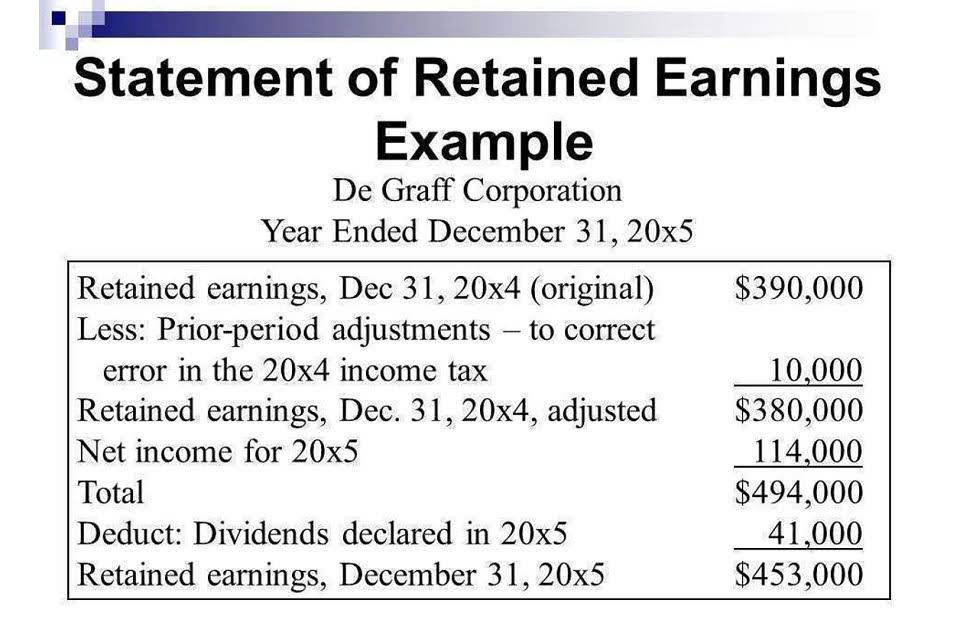
Accountants will spend more time concerning themselves with information such as tax what are retained earnings laws, financial records, and other fiscal terms. They will memorize the basic accounting formulas they need to know, and refer to them when they are completing their work. Almost all accounting work is now done on computers and Excel spreadsheets, which means even less math work for accountants.

Do I Have to be Good at Math to Get an Accounting Degree?

  • Strong math and analytical skills are a must for accountants — you’ve got those already.
  • There is so much more to being an Accountant than crunching numbers.
  • You can look forward to being a good accountant if you enjoy finding ways to meet goals as efficiently as possible.
  • While they do not need to be computer whizzes, accountants need to be prepared to use basic office software to complete daily tasks and communicate with coworkers, managers and clients.
  • Being proactive means being able to anticipate problems beforehand and take steps to prevent them rather than reacting to them after they occur.
  • However, you would probably spend considerably more of your coursework taking general business classes in topics like human resources, management, marketing, and strategic planning for business.

The top-ranked, no-prerequisite Master of Accounting (MAC) degree from UNC Kenan-Flagler Business School is your first step. On campus or online, complete your degree in https://www.bookstime.com/ one year and connect with recruiters from firms and corporations looking to hire. There is so much more to being an Accountant than crunching numbers. While, yes, the nature of the financial services sector means your job will be numbers focused, it doesn’t mean that your job will only involve crunching numbers. There are many other skills, capabilities and attributes that employers will be looking for, rather than whether or not you’re a brilliant maths whizz. Specialists in risk management draw on probability theory to determine the likelihood of various outcomes.

Guide to Small Business Bookkeeping for Beginners SBHQ

basic bookkeeping

This method can work for freelancers or sole proprietors with no more than one or two business transactions a month. Accurate bookkeeping records form the basis for reliable financial reports. This process creates a clear picture of where money comes from and where it goes. The chart of accounts groups transactions into assets, liabilities, income, and expenses.

When you account for deferred expenses, your bookkeeping will reflect the month you actually enjoy the benefit of the expense rather than the month in which you paid it. As illustrated above, between the two basic methods of accounting (cash or accrual), you can best account for prepaid expenses using the accrual method. Records older than six years can be securely disposed of by hiring a professional document shredding company. For digital records, QuickBooks allows you to easily delete or condense historic transaction data to save you storage space and secure sensitive financial information.

Bookkeeping 101: Bookkeeping Basics for Small Businesses

Generally, you can expect to pay between $200 and $2,500 per month for business bookkeeping services. The best results happen when a business implements a bookkeeping strategy over a period of time or builds a long-term working relationship with a qualified bookkeeper. Waiting until crunch time to prepare documents and fix bookkeeping errors can be too late if the records are kept with many mistakes. Efficient bookkeeping involves foresight, meaning that a business should always plan for upcoming financial events, including tax time. Good preparation and documentation are critical for paying taxes (including payroll taxes) on time.

AccountingCoach

In your ledger, the finished goods inventory will reflect the number of each type you have at any time. Recording just the cost of those supplies http://www.biblicaldiscovery.info/case-study-my-experience-with-7/ with the cash method might give you an inaccurate picture of how much you are — or should be — spending on supplies. Both the single-entry and double-entry methods can work in tandem with cash or accrual bookkeeping. You’re also responsible for communicating with your employees and allowing them to know the financial state of your firm. They need to know if the company is making some progress and how they contribute to its growth.

What are some examples of online bookkeeping tools?

basic bookkeeping

Tracking your expenses is an essential part of managing your finances. By keeping track of every dollar you spend, you can gain insight into where your money is going and make informed decisions about allocating your resources. Here are the basic concepts you can learn to get started right away to do the books like a pro.

  • If you’re a small business owner, it’s necessary to set projections and forecast the future of your business.
  • When bookkeeping falls behind, even routine tasks like checking your bank account or preparing a cash flow statement can become frustrating.
  • Amortisation is the process of spreading out the cost of an intangible asset over a certain period of time (usually the entire lifespan of the item).
  • We’ve analyzed and rated the best online bookkeeping services to help you make the best decision when choosing the right one.
  • We’ve added 500+ learning opportunities to create one of the world’s most comprehensive free-to-degree online learning platforms.

What are basic bookkeeping skills?

Compliance with legal and regulatory requirements is essential for maintaining the integrity of financial information. For those looking for something more in-depth than the free bookkeeping course, OHSC also offers 5 levels of bookkeeping certification endorsed by the Quality License Scheme (QLS). These courses offer a flexible pace as you learn essential accounting principles. The Oxford Home Study Centre (OHSC) is a leading provider of professional, distance-learning courses in the UK. OHSC offers both free and paid bookkeeping courses to help learners build the knowledge and skills needed to succeed in a bookkeeping career.

QuickBooks makes it easy to manage your books, track expenses, and keep everything organized in one place—so you’re always ready for tax time and beyond. Explore QuickBooks accounting software to simplify your bookkeeping and take control of your business finances. A. Key financial reports you should create regularly include a balance sheet, income statement, and cash flow statement. These give you crucial insights into your business’s financial performance and help you make informed decisions. To prevent this confusion, consider setting up dedicated business bank accounts or using a separate business credit card for all business transactions. Ensure no personal transactions occur in the business bank account to maintain clear financial records.

  • These are methods used by most people in the accounting profession, so if your bookkeeping is ever questioned, your methods will be accepted by others.
  • You’ll need to decide whether to use a single-entry or double-entry bookkeeping system.
  • Learn more about bookkeeping, how it differs from accounting, the required qualifications, and bookkeeping jobs and salaries.
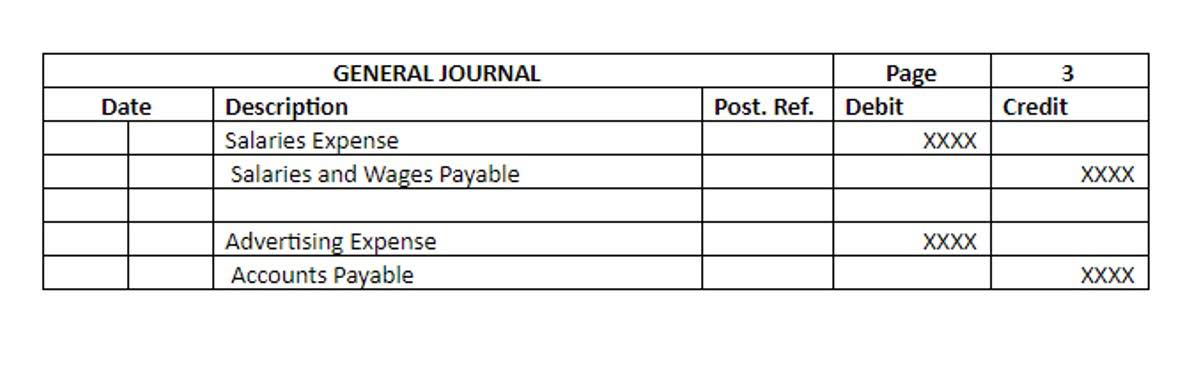
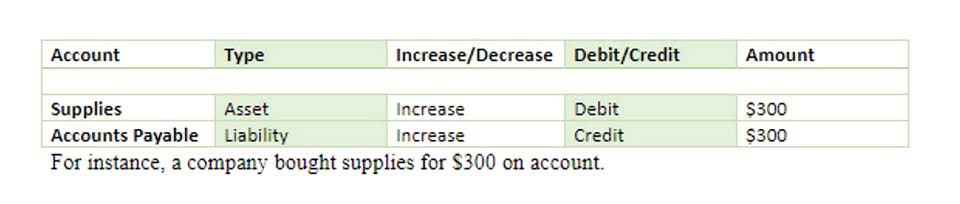
  • So, enter the amount in the debit and credit section and specify the respective account that is credited and debited.

Accurate bank reconciliations protect against errors that affect cash flow. Internal controls are procedures and systems that protect company assets and ensure data accuracy. http://www.biblicaldiscovery.info/lessons-learned-about-20/ They spot and fix mistakes like wrong account entries or miscalculations. Closing entries move temporary account balances, such as revenues and expenses, to permanent accounts for a new period. Watching transactions being recorded or seeing how software works makes ideas easier to understand. Free courses often let learners audit content for free, though certificates may require payment.

basic bookkeeping

Accounting Principles and Practices

So, which of these methods should you use in your bookkeeping to get the best, most accurate picture of your spending habits? Take the time https://www.kekc.info/lessons-learned-from-years-with-6/ to organize your records, whether that means buying a filing cabinet or breaking out the label maker. Saving your records in the cloud also ensures that they’re easily accessible in a digital format from any device. Making sure your records are well-organized can save you a big headache if you’re ever subjected to an audit. Really covered all of the important terminology and basics related to bookkeeping.

Direct vs Indirect Cash Flow Methods Top 7 Differences

Cash received from a loan or cash used to pay down long-term debt would also be recorded here. Turning to the public sector, the US’s Governmental Accounting Standards Board (GASB) published its accounting standard on the topic in 1989. Proprietary funds are those in government that engage in business-type activities and that assess a fee or other changes for the services they render. Mixing up these two methods—or worse, relying on just one—leads to bad decisions.

It is usually a picture of a company’s debt and equity activity, and it measures the cash flow between the company, its owners, and creditors. The indirect method starts with net income and adjusts for non-cash items and working capital changes to estimate future cash positions. It’s primarily used for long-term forecasting, financial planning, and external reporting. Smaller businesses with fewer transactions can handle the detailed tracking of the direct method.

Example of an Indirect Cash Flow Statement

Now you know how to decide between the direct vs. indirect method of cash flow. Once you’ve considered what you’re trying to do with your cash flow statement, one method will make more sense. The cash flow statement reports on the movement of cash from all sources into and out of the business. Most businesses think they have a handle on cash flow—until something unexpected throws everything off.

By seeing how cash flows in and out of the business, management can make more informed decisions regarding liquidity, operations, and investments. Cash flow is movement of money in and out of your business, and net cash flow is the difference between the money that comes into a business and the money that flows out during a given period. The choice between the direct method and the indirect method depends on the size and complexity of the company and the preferences of the accountant.

Indirect Method

Both direct and indirect methods calculate net cash generated from operating activities, but they differ in their starting points and how cash moves are recorded. The indirect method begins with net income and adjusts for non-cash transactions, such as depreciation and changes in accounts payable. The direct cash flow statement method is the right choice for businesses that need real-time cash insights.

  • Most companies (especially larger ones) use the indirect method because it’s easier to prepare, relying on the already available data from the income statement.
  • Since cash flow is the key to business survival, it’s important to track it the right way.
  • The result is a clear view of how net income and changes to balance sheet items impact the cash available to your business.
  • This method is ideal for businesses that deal primarily in cash transactions, such as small retail or service-oriented businesses.

What is the Direct Cash Flow Method?

Expenses like stock-based compensation, where employees or directors are compensated with shares or options instead of cash, are added back to net income. Similarly, provisions for doubtful debts or losses on impairments are other examples that reduce net income but don’t involve a cash outflow, so they are added back. The answer depends on how much effort you want to put into tracking your cash moves, your financial goals, and your company’s financial health.

  • This can help you determine the net decrease or increase in cash in these accounts.
  • It allows you to easily use the direct cash flow accounting method to see your inflow and outflow at a glance.
  • In his free time he enjoys playing baseball and football and watching documentaries about unique and extreme places to travel to.
  • Study a statement to determine where changes might be made to better utilize cash, run a business more efficiently, and grow it more effectively.

A Comparison of Direct vs Indirect Cash Flow

direct vs indirect cash flow

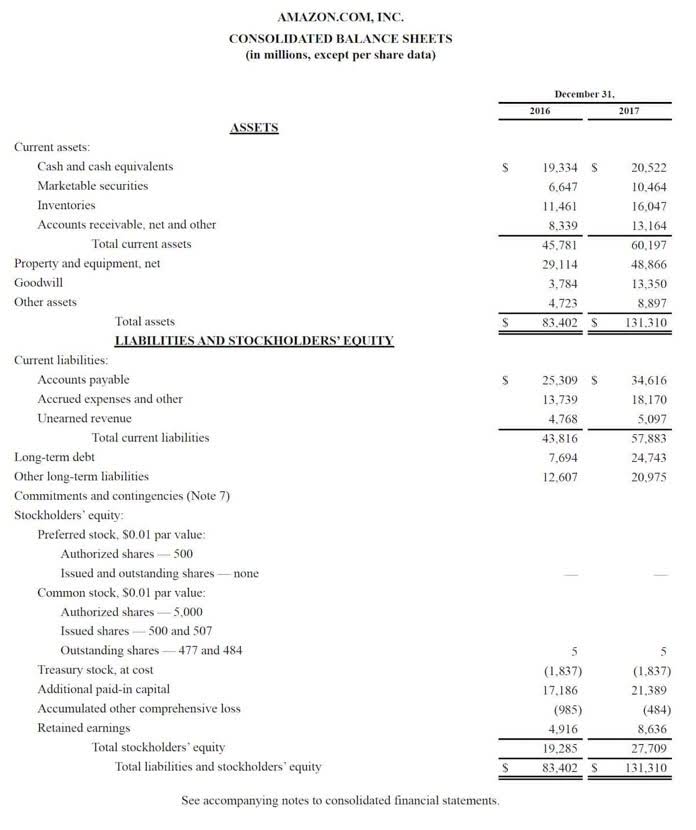
Investing activities cash flows are those that relate to non-current assets, including investments. Note that the cash proceeds from the disposal of PPE ($2,000) would be shown separately as a positive cash inflow under investing activities. The profit on disposal of PPE of $500 ($2,000 – $1,500) would be adjusted for as a non-cash item under the operating activities section of the statement of cash flows (see later). In order to calculate cash flow, you must have two years of balance sheets and income statements for reference. For this example, we’ll use the following comparative balance sheet for the past two years. The increase or decrease of cash in each asset and liability account is recorded in the cash flow statement.

What is the difference between the direct method and the indirect method for the statement of cash flows?

This delay can strain cash flow, making it essential for healthcare providers to implement efficient billing and collections processes. Additionally, investments in medical technology and compliance with regulatory requirements can be significant cash outflows that need to be carefully managed. Financial planning tools that offer real-time insights into cash flow can be invaluable in this sector. In the construction industry, cash flow management is particularly complex due to the project-based nature of the work. Payments are often received in stages, tied to project milestones, which can create gaps in cash inflows. Construction companies must meticulously plan their cash flow to ensure they have sufficient funds to cover labor, materials, and other project-related costs.

Datarails helps you upgrade your cash flow statements through automation that reveals real time business insights. On the other hand, the indirect method is simpler to implement and widely accepted. It meets regulatory requirements and provides consistency in financial reporting. Several factors determine the choice of the direct or indirect cash flow method. They include requirements for transparency, data availability, and adherence to accounting standards.

Types of cash receipts and payments included

You might think you’re in good shape based on your financial statements (indirect method), direct vs indirect cash flow only to realize too late that cash isn’t arriving when you need it (direct method). Or maybe you’re laser-focused on short-term cash movements but have no idea whether your long-term strategy is sustainable. The indirect method might not accurately represent the company’s current cash position. It indirectly calculates net cash flow from other financial statements, meaning the numbers might not be up to date if the previous financial statements aren’t accurate or updated.

Direct vs. indirect method. How to choose a reporting method

The indirect cash flow method makes reporting cash movements in and out of the business easier for accruals basis accounting. The direct statement of cash flow provides a clear picture to investors and analysts, allowing them to predict future cash flows and earning potential. This worldwide accounting method encourages direct cash flow statements because of their transparency. However, the companies resort to investments and financing if they need additional cash flow. A company calculates its cash inflows and outflows based on operating activities, including revenue generated, expenses paid, and funding working capital. It is calculated by considering the company’s net income, adjusting the non-cash items, and changing the working capital.

Some items included in this section are accounts receivable, accounts payable, and income taxes payable. The three distinct sections of the cash flow statement cover cash flows from operating activities (CFO), cash flows from investing (CFI), and cash flows from financing (CFF) activities. If you want to get started with your direct or indirect cash flow statements, grab our free 3-statement model Excel or Google Sheets template. In the accruals basis of accounting, revenue, and expenses get recorded when incurred—not when the money is collected or paid out.

Unlike the direct method, the indirect method provides less detailed information about specific cash flow activities. It doesn’t offer a deep understanding of what contributes to the company’s net cash flows. Opting for the indirect method might be the right choice if you’re seeking streamlined and efficient cash flow reporting, as it builds upon the net income and adjusts for non-cash items. It’s particularly suitable for larger corporations with intricate operations, as it offers a summarized perspective that might be easier to manage.